Hospital Mold Removal
Professional assessment and removal of mold in hospitals to ensure a safe, healthy environment.
In Rancho Santa Fe, mold growth in homes can pose health risks, especially in damp or poorly ventilated areas. Hospital-grade mold removal follows strict protocols to safely contain, treat, and eliminate mold—including containment, HEPA filtration, and moisture control—to prevent regrowth and ensure long-term results.
This service is designed for homeowners dealing with extensive or recurring mold issues beyond basic cleaning.
We also handle Move-In Mold Assessment and Post-Remediation Sealing for Rancho Santa Fe properties.
When to call for mold removal
Mold removal isn’t just about visible growth—it’s about addressing hidden risks. In Rancho Santa Fe’s climate, moisture from leaks, poor ventilation, or high humidity can fuel mold even when it’s not visible.
If mold covers more than a small patch (about 10 square feet), keeps returning after cleaning, or spreads into walls or ductwork, it’s time for professional remediation. A persistent musty smell or health symptoms like allergies or respiratory irritation are also warning signs.
DIY cleaning can stir up spores, worsening contamination. Without containment and HEPA filtration, spores spread to unaffected areas, turning a small problem into a larger one. Professional remediation follows protocols to isolate the work area, capture spores, and fix moisture sources—steps critical for preventing regrowth.
Signs You Need Mold Removal
- Mold covers more than 10 square feet in a single area (California’s threshold for professional work).
- Growth returns within weeks after cleaning, even after scrubbing the same spot multiple times.
- A musty smell lingers with no visible mold, suggesting hidden growth in walls, under flooring, or in ductwork.
- Health symptoms (sneezing, coughing, skin irritation) worsen when spending time in the affected room.
- Mold appears in multiple rooms or spreads quickly after a leak or water damage.
What affects cost and timeline
The size of the affected area, the type of materials involved, and whether moisture sources are fixed all influence pricing and duration. In Rancho Santa Fe, mold remediation is typically priced per project after an inspection, not by a flat rate, because every home’s layout and contamination level varies.
Containment requirements, such as sealing off rooms to prevent spore spread, add time and cost, especially in larger homes or multi-level properties.
Post-remediation clearance testing—an independent air or surface sample to confirm spore levels are safe—is often charged separately. Skipping this step leaves no proof the mold is fully gone, and hidden moisture can lead to regrowth.
Fixing the root cause, like repairing a leak or improving ventilation, is also critical; without it, the same materials remain vulnerable.
After remediation: keeping mold away
Removing mold is only half the job—preventing it from coming back depends on fixing moisture issues and maintaining dry conditions. In homes with persistent dampness, like windowless bathrooms or basements, a small fan or dehumidifier can help.
Outside, grading that slopes toward the foundation or downspouts dumping near walls can reintroduce moisture. Checking humidity levels in previously affected rooms for the first year catches early regrowth before it spreads.
Even after remediation, some materials—like drywall or insulation—may need replacement if mold has penetrated deeply. Non-porous surfaces, like tile or metal framing, can often be cleaned and treated, but porous items are usually removed to prevent hidden spores from reactivating.
Regular inspections of plumbing, roofs, and ventilation systems help catch leaks early, reducing the risk of future mold.
| Moisture Source | Prevention Step | Why It Matters |
|---|---|---|
| Leaking pipes or roofs | Repair leaks and redirect water away from the foundation. | Stops new moisture from feeding mold growth. |
| Poor ventilation | Use exhaust fans in bathrooms/kitchens or add a dehumidifier. | Reduces humidity, which fuels mold. |
| Condensation on windows/walls | Insulate cold surfaces and improve airflow. | Prevents surface moisture buildup. |
| Grading or downspout issues | Ensure soil slopes away from the house and downspouts drain 5+ feet from the foundation. | Keeps groundwater from seeping into the home. |
How hospital-grade mold removal works
- 1Containment Setup
Plastic sheeting and negative-air machines seal the affected area to prevent spores from spreading. Doors stay closed, and airflow is directed outward to keep contamination isolated.
- 2Material Removal or Cleaning
Porous materials like drywall or carpet padding, which absorb mold, are cut out and bagged. Non-porous surfaces, such as tile or metal, are scrubbed with antimicrobial treatments.
- 3HEPA Filtration and Drying
HEPA air scrubbers run continuously to capture airborne spores, and industrial dehumidifiers dry framing and subfloors to prevent hidden moisture from reactivating mold.
- 4Clearance Testing
An independent lab tests air or surfaces post-remediation to confirm spore levels are within safe ranges before containment is removed.
- 5Moisture Source Fix
The root cause—like a leak or poor ventilation—is addressed to reduce the risk of regrowth. This step is critical for long-term results.
Frequently asked questions
Can I clean small mold patches myself, or should I call a professional?
Small, isolated patches (under 10 square feet) can often be cleaned with detergent and water, but if mold keeps returning or spreads, professional remediation is safer. DIY methods without containment risk spreading spores to other areas.
How do I know if my home’s mold is dangerous?
Visible mold covering large areas, hidden growth (indicated by musty smells), or health symptoms like allergies suggest a higher risk. Professional testing can identify toxic mold species, but containment and removal are key for safety.
Will insurance cover mold remediation in my home?
Some policies cover mold if it stems from a covered event like a burst pipe, but many exclude pre-existing growth. Check your policy or consult your agent—documenting the issue with photos and moisture sources can help.
How long does it take to fully remediate a mold problem?
Timelines vary by size and complexity, but containment, removal, and drying typically take 3–10 days. Clearance testing adds another 1–3 days. Fixing moisture issues may require additional time.
Where Rancho Santa Fe sits, and what the Census lists nearby
Rancho Santa Fe sits in California, and the closest places listed in the U.S. Census Gazetteer are Fairbanks Ranch (2.5 miles south), Elfin Forest (4 miles north), Encinitas (4.2 miles northwest), Solana Beach (4.2 miles southwest).
Within 25 miles of Rancho Santa Fe the same source lists 39 distinct incorporated places and census-designated places.
Those figures matter for hospital mold removal because they are straight-line distances between Census coordinate points: road mileage between Rancho Santa Fe and Fairbanks Ranch runs longer than the 2.5 miles shown, which is why quotes for the same job differ between towns that look close together on a map.
Source: U.S. Census Bureau Gazetteer.
See Hidden Meadows, CA for more, or browse what's included in our Rancho Santa Fe service in full for our complete lineup.
Ready to get started?
Talk to a local mold remediation pro in Rancho Santa Fe — get a written quote.
Other Mold Remediation Services in Rancho Santa Fe
Move-In Mold Assessment in Rancho Santa Fe, CA
Professional inspection and assessment of mold presence before moving into a property.
Learn More
Post-Remediation Sealing in Rancho Santa Fe, CA
Applying protective sealants to surfaces after mold remediation to prevent future growth.
Learn More
Mold Inspection in Rancho Santa Fe, CA
Mold inspection in Rancho Santa Fe, CA — a visual and moisture-meter assessment that finds the source of growth, not just the visible spot on the wall.
Learn More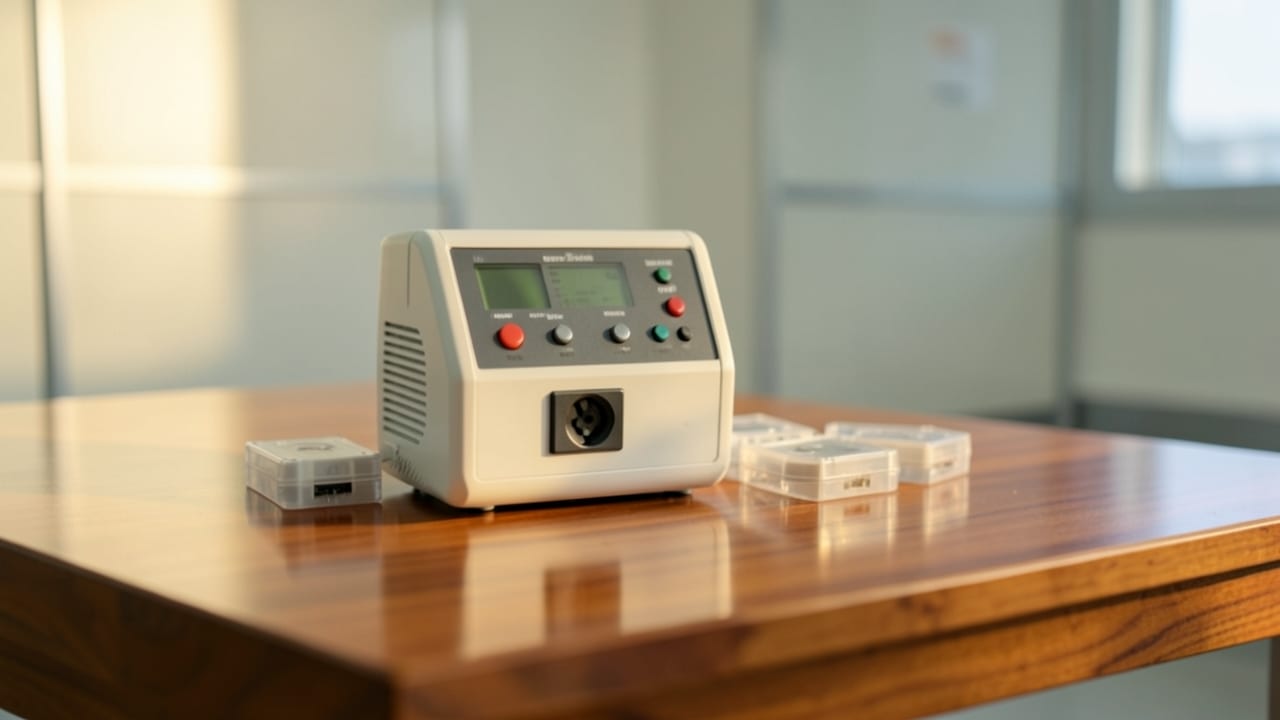
Mold Testing & Air Quality Testing in Rancho Santa Fe, CA
Mold and indoor air quality testing in Rancho Santa Fe, CA — lab-analyzed air and surface samples confirm what's actually growing and whether it's airborne.
Learn More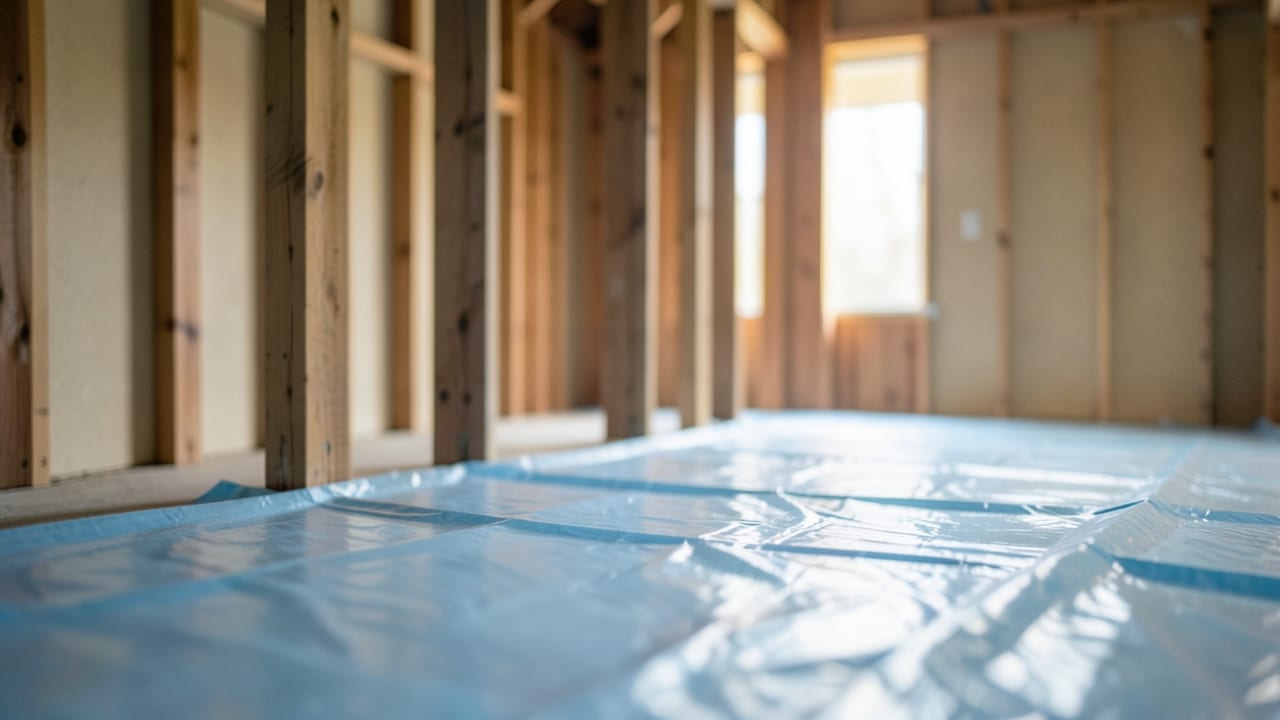
Mold Removal & Remediation in Rancho Santa Fe, CA
Mold removal and remediation in Rancho Santa Fe, CA — containment, HEPA filtration, and removal of affected material following industry (IICRC S520) protocol.
Learn More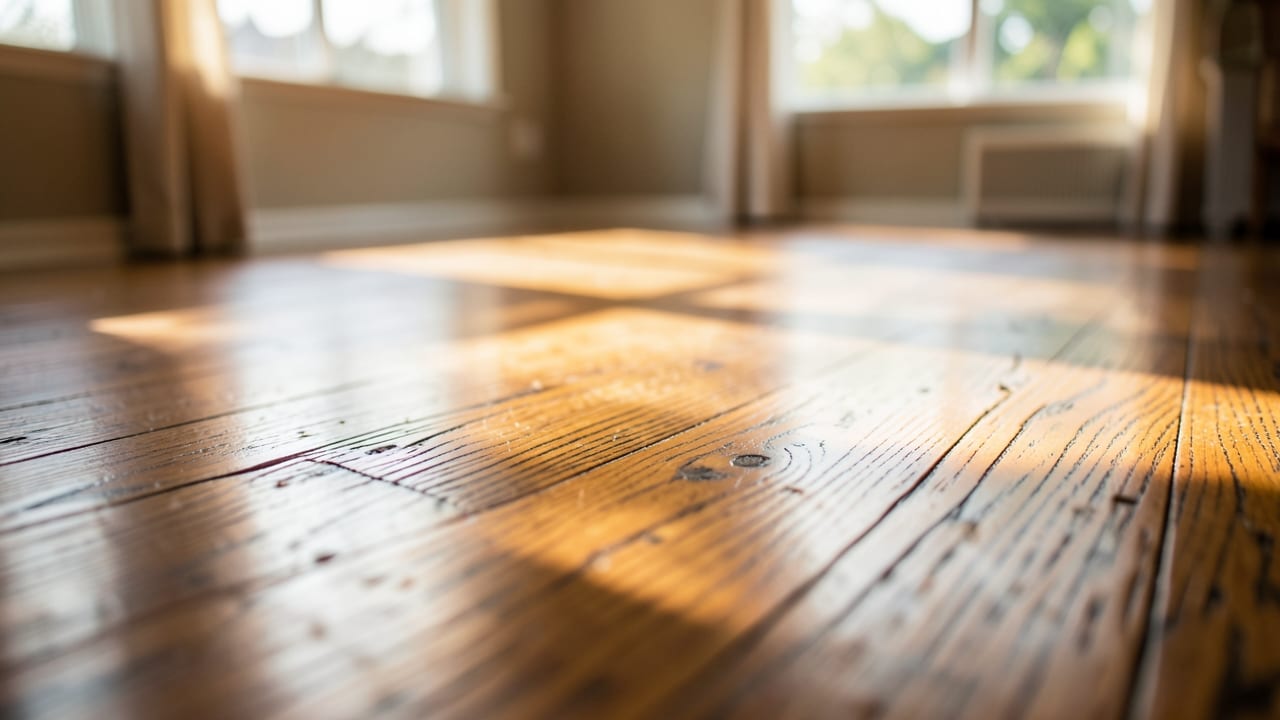
Water Damage Restoration in Rancho Santa Fe, CA
Water damage restoration in Rancho Santa Fe, CA — extraction and structural drying to stop mold growth before it starts, following a leak, storm, or flood.
Learn MoreCommon Questions About Mold Remediation in Rancho Santa Fe
Everything you need to know about mold remediation services in Rancho Santa Fe
How much does Hospital Mold Removal typically cost in Rancho Santa Fe, CA?
Does coastal humidity around Rancho Santa Fe, CA change how mold risk is assessed?
Is it safe to stay in the home during mold remediation?
Can small mold problems be handled without hiring anyone?
What's the actual difference between mold removal and mold remediation?
Is a final clearance test part of a typical mold remediation job?
Need Mold Remediation in Rancho Santa Fe?
Connect with local providers in Rancho Santa Fe for a detailed quote.
⏰ We answer your call • Serving all of Rancho Santa Fe and surrounding areas