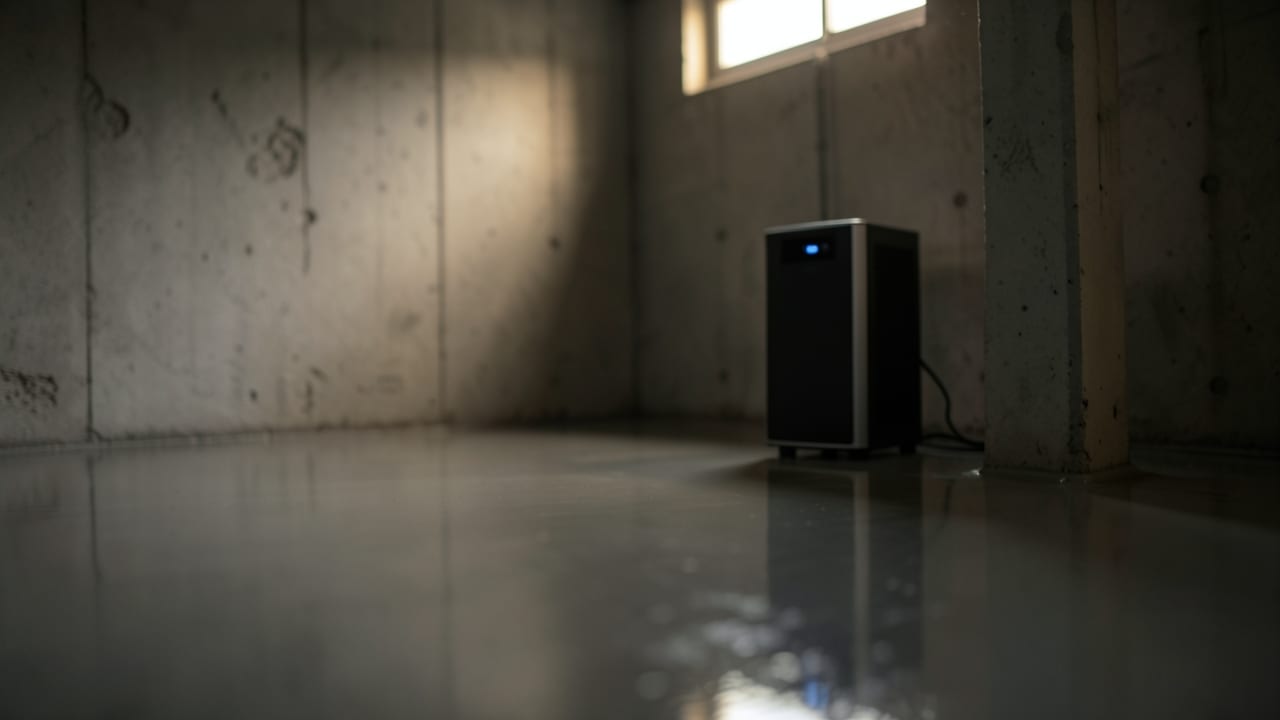
Post-Remediation Sealing
Applying protective sealants to surfaces after mold remediation to prevent future growth.
Post-remediation sealing in Rancho Santa Fe helps protect your home after mold removal by applying specialized coatings to treated surfaces. These sealants block moisture and reduce the risk of regrowth, ensuring long-term protection for areas that have been cleared of mold.
This step is critical in preventing future contamination and maintaining indoor air quality in your residence.
We also handle Bathroom Mold Removal and Carpet Mold Treatment for Rancho Santa Fe properties.
When is post-remediation sealing needed?
Post-remediation sealing is typically recommended after mold removal when porous materials like drywall, insulation, or carpet padding have been replaced or treated. It also applies to non-porous surfaces like framing or tile that have been scrubbed and treated to remove mold.
Sealing helps create a barrier against moisture, which is essential for preventing future mold growth in areas that were previously affected.
Sealing is particularly important in Rancho Santa Fe’s climate, where humidity and occasional coastal moisture can create ideal conditions for mold regrowth. If your home has experienced mold in areas prone to dampness—such as bathrooms, basements, or closets—sealing after remediation adds an extra layer of protection.
Signs You May Need Post-Remediation Sealing
- Mold regrows in the same spot within months after removal, indicating residual moisture or untreated surfaces.
- Visible mold covers more than a small, isolated patch (typically over 25 contiguous square feet).
- Musty odors persist even after visible mold has been removed, suggesting hidden growth or lingering moisture.
- Porous materials (drywall, insulation) were replaced or treated during remediation, requiring sealing to prevent future contamination.
What affects the cost of post-remediation sealing?
The cost of sealing after mold remediation depends on several factors, including the size of the treated area, the type of sealant used, and the condition of the surfaces being sealed.
Basic vapor barriers are less expensive than full encapsulation treatments, which provide more comprehensive protection but require more labor and materials.
Additional costs may arise if structural drying or moisture testing is needed before sealing. For example, if framing or subflooring requires industrial dehumidifiers to reach normal moisture levels, this step must be completed before sealing can begin.
Always confirm whether a quote includes inspection, testing, and clearance verification to avoid unexpected expenses.
What to look for in a quote for post-remediation sealing
Not all quotes for post-remediation sealing are created equal. A thorough estimate should include inspection, containment, remediation, and clearance testing—not just the sealing itself. Without these steps, there’s no way to confirm the mold has been fully addressed or that the sealing will be effective long-term.
Ask whether the quote specifies the square footage being treated, includes third-party lab testing for clearance, and outlines what happens if hidden mold is discovered during the process.
A written scope of work is essential to avoid disputes later, as verbal agreements or vague estimates can lead to unexpected costs or incomplete protection.
Avoid quotes that exclude containment, clearance testing, or a detailed scope of work. Pressure to sign during the same visit as the inspection or requests for full payment upfront are also warning signs of potential issues down the line.
How post-remediation sealing works
Sealing after mold removal involves applying protective coatings to treated surfaces to prevent moisture absorption and future growth.
- 1Surface Preparation
All treated surfaces are cleaned and dried to ensure the sealant adheres properly. Porous materials that were removed are replaced, and non-porous surfaces are scrubbed and treated to eliminate residual mold.
- 2Moisture Testing
Industrial dehumidifiers and air movers are used to bring framing and subflooring to normal moisture levels before sealing begins. This step helps prevent mold from regrowing on damp materials.
- 3Sealant Application
Specialized coatings are applied to the treated area, creating a barrier that inhibits moisture absorption. The type of sealant depends on the surface and the level of protection needed.
- 4Clearance Testing
An independent lab conducts air or surface sampling to confirm spore counts are within normal ranges before the containment is removed. This step ensures the sealing was effective.
- 5Final Inspection
The treated area is inspected to verify the sealant was applied correctly and that no moisture issues remain. Homeowners should monitor humidity levels in the sealed area for the first year to catch early signs of recurrence.
Frequently asked questions
Can I seal mold-affected areas myself, or should I hire a professional?
DIY sealing may work for small, isolated patches, but professional sealing ensures proper containment, moisture testing, and clearance verification. Without these steps, there’s a higher risk of incomplete protection or regrowth.
How long does post-remediation sealing take?
The time depends on the size of the area and surface conditions, but sealing typically takes a few hours to a full day. Structural drying or additional treatments may extend the process if moisture levels are high.
Will sealing prevent mold from coming back if the moisture source isn’t fixed?
Sealing helps reduce the risk of regrowth, but it doesn’t address the root cause. If leaks, condensation, or grading issues persist, mold can still return. Always fix the moisture source alongside remediation and sealing.
Do I need to vacate my home during post-remediation sealing?
Occupancy depends on the scope of work. If containment is used, you may need to stay elsewhere temporarily. However, sealing alone usually doesn’t require full evacuation, though some disruption is likely.
Where Rancho Santa Fe sits, and what the Census lists nearby
Rancho Santa Fe sits in California, and the closest places listed in the U.S. Census Gazetteer are Fairbanks Ranch (2.5 miles south), Elfin Forest (4 miles north), Encinitas (4.2 miles northwest), Solana Beach (4.2 miles southwest).
Within 25 miles of Rancho Santa Fe the same source lists 39 distinct incorporated places and census-designated places.
Those figures matter for post-remediation sealing because they are straight-line distances between Census coordinate points: road mileage between Rancho Santa Fe and Fairbanks Ranch runs longer than the 2.5 miles shown, which is why quotes for the same job differ between towns that look close together on a map.
Source: U.S. Census Bureau Gazetteer.
See Ramona, CA for more, or take a look at every option available in Rancho Santa Fe side by side for our complete lineup.
Ready to get started?
Talk to a local mold remediation pro in Rancho Santa Fe — get a written quote.
Other Mold Remediation Services in Rancho Santa Fe
Bathroom Mold Removal in Rancho Santa Fe, CA
Professional assessment and removal of mold in bathrooms to restore a safe, clean environment.
Learn More
Carpet Mold Treatment in Rancho Santa Fe, CA
Professional assessment and removal of mold growth from carpets to restore a safe indoor environment.
Learn More
Concrete Mold Remediation in Rancho Santa Fe, CA
Professional removal and treatment of mold from concrete surfaces in homes.
Learn More
Laundry Room Mold Cleanup in Rancho Santa Fe, CA
Professional mold removal and remediation in laundry rooms to restore a safe, clean space.
Learn More
Ceiling Mold Removal in Rancho Santa Fe, CA
Professional removal of mold growth from ceilings, including containment and cleanup.
Learn More
Flood Damage Mold Remediation in Rancho Santa Fe, CA
Professional mold removal and remediation after flood damage in homes.
Learn MoreCommon Questions About Mold Remediation in Rancho Santa Fe
Everything you need to know about mold remediation services in Rancho Santa Fe
How much does Post-Remediation Sealing typically cost in Rancho Santa Fe, CA?
Does coastal humidity around Rancho Santa Fe, CA change how mold risk is assessed?
What's the actual difference between mold removal and mold remediation?
Is a final clearance test part of a typical mold remediation job?
How does mold remediation actually prevent the problem from coming back?
Can mold growing inside HVAC ductwork spread to the rest of a home?
Need Mold Remediation in Rancho Santa Fe?
Connect with local providers in Rancho Santa Fe for a detailed quote.
⏰ We answer your call • Serving all of Rancho Santa Fe and surrounding areas